 DOG > HEALTH > Skin & AllergiesDOG > HEALTH > Skin & Allergies
If your dog won't stop scratching, licking or chewing his skin—even after shampoos, chews or expensive vet visits—read this before you try anything else.

 2 min read · Advertorial
The photo above is my Golden Retriever, Marshall.
I'm a doctor of pharmacy. For over 10 years, I've filled prescriptions for itchy dogs every single week. But when my own dog couldn't stop scratching, suddenly I was the desperate owner on the other side of the counter.
By the time this picture was taken, I'd already tried everything:
And somehow, his scratching just kept getting worse.
He'd scratch through the night, lick himself nonstop and chew the same spots until his skin was red and raw.
I thought I was dealing with allergies.
I was WRONG.
Turns out, Marshall’s scratching wasn’t the real problem. It was a warning sign.
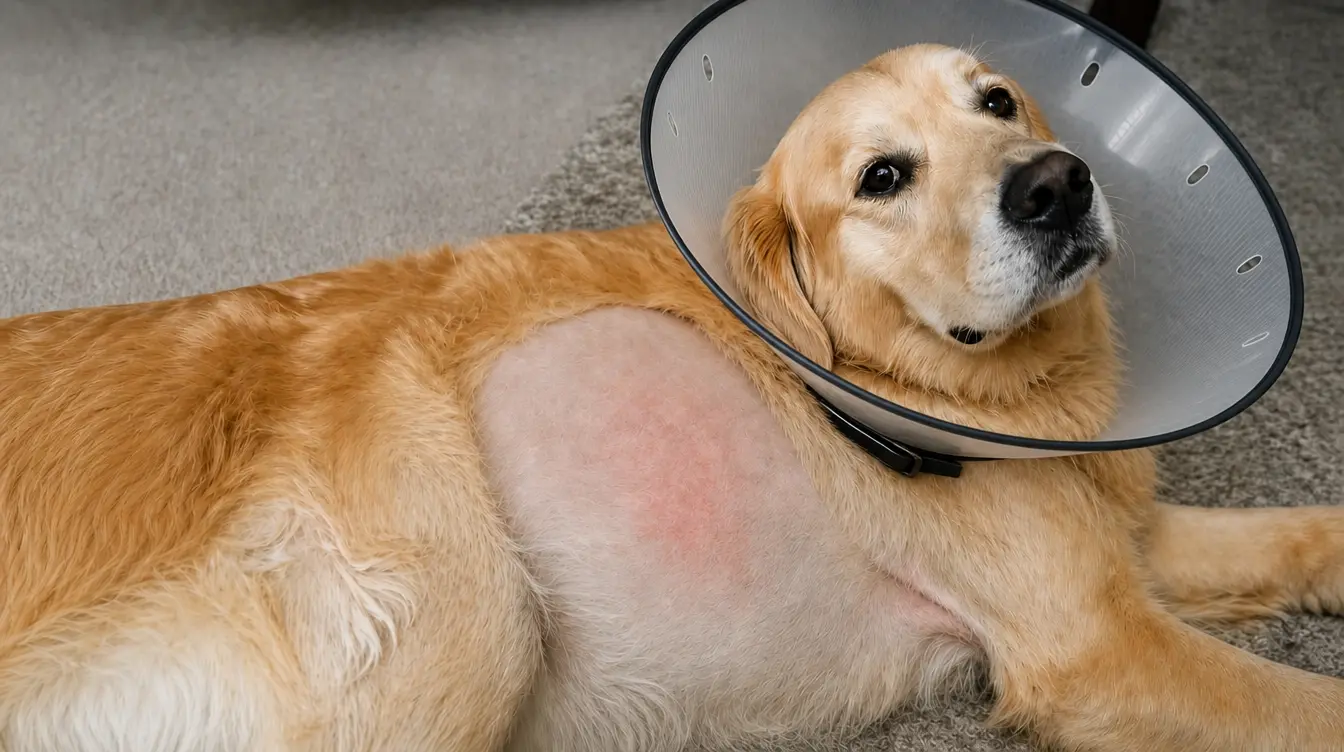
The same irritated spots kept coming back no matter what I tried.
Every time he scratched, licked or chewed, he was damaging the protective skin barrier that's supposed to keep irritants out.
And once that barrier was weakened, those irritants could get in more easily — triggering even more itching.
The more he scratched, the more he needed to scratch.
That's when I finally understood why the shampoos, chews and sprays never seemed to last.
I was calming the itch... while the cycle underneath kept going.
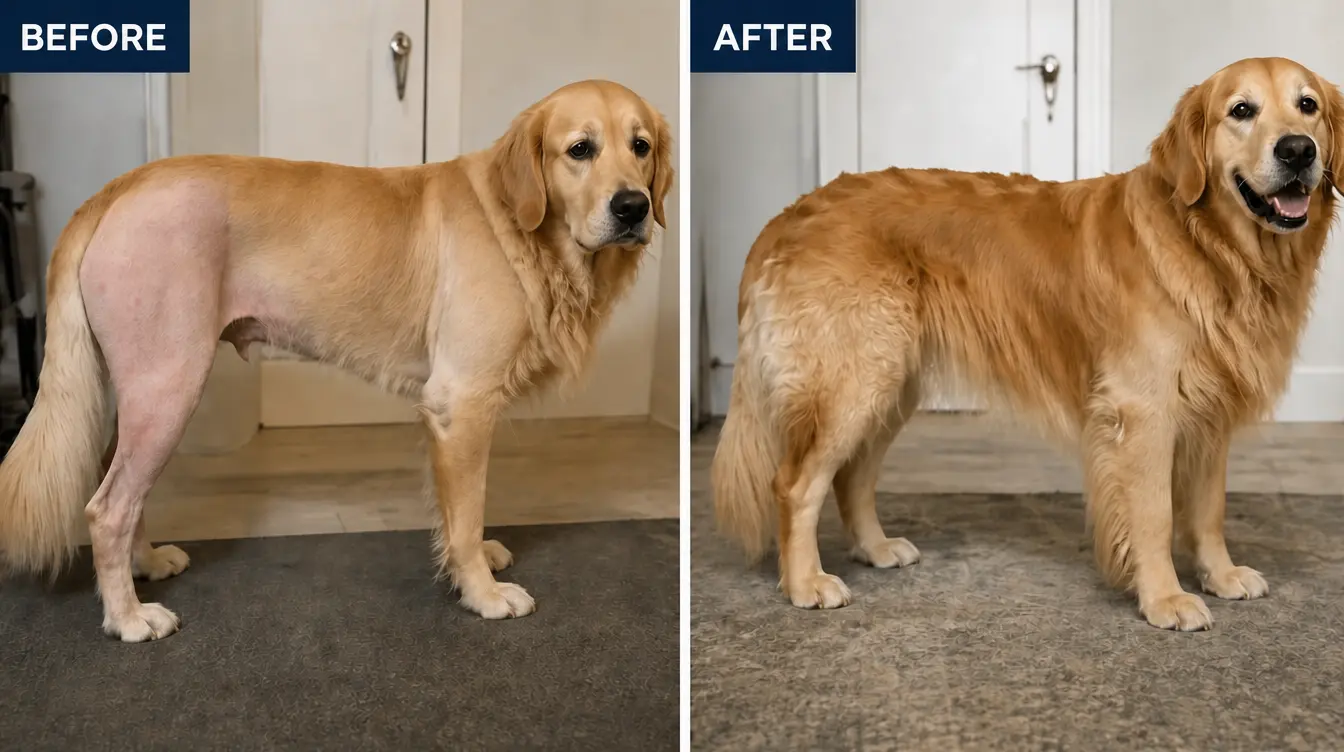
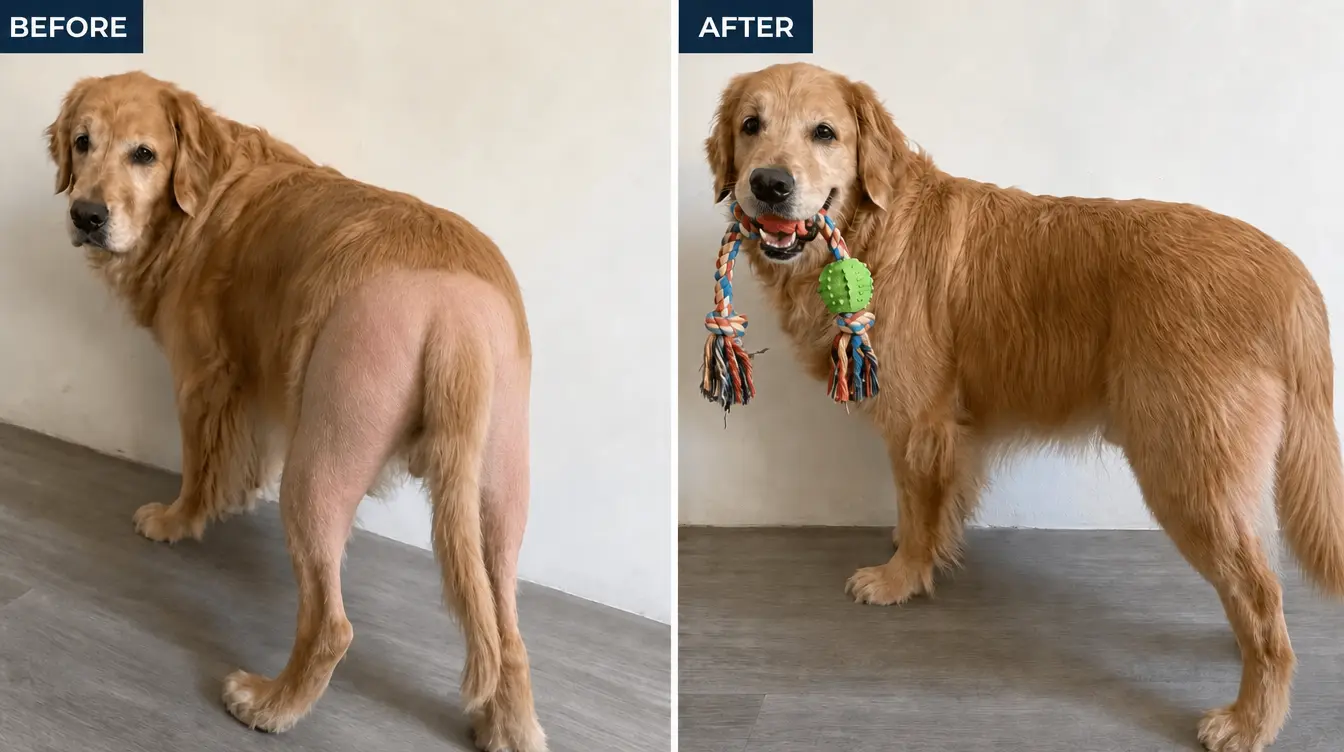
Marshall's transformation after finding the 5-second trick.
You know that sound? That licking at 2AM? Scratching so hard you hear it bang the floorboards?
I lived with that every single night.
It got so bad… I walked in one day and Marshall was limping.
He'd chewed and licked his paw until it was red, swollen and painfully irritated.
The vet told me if we'd waited any longer, the infection could've reached his bloodstream.
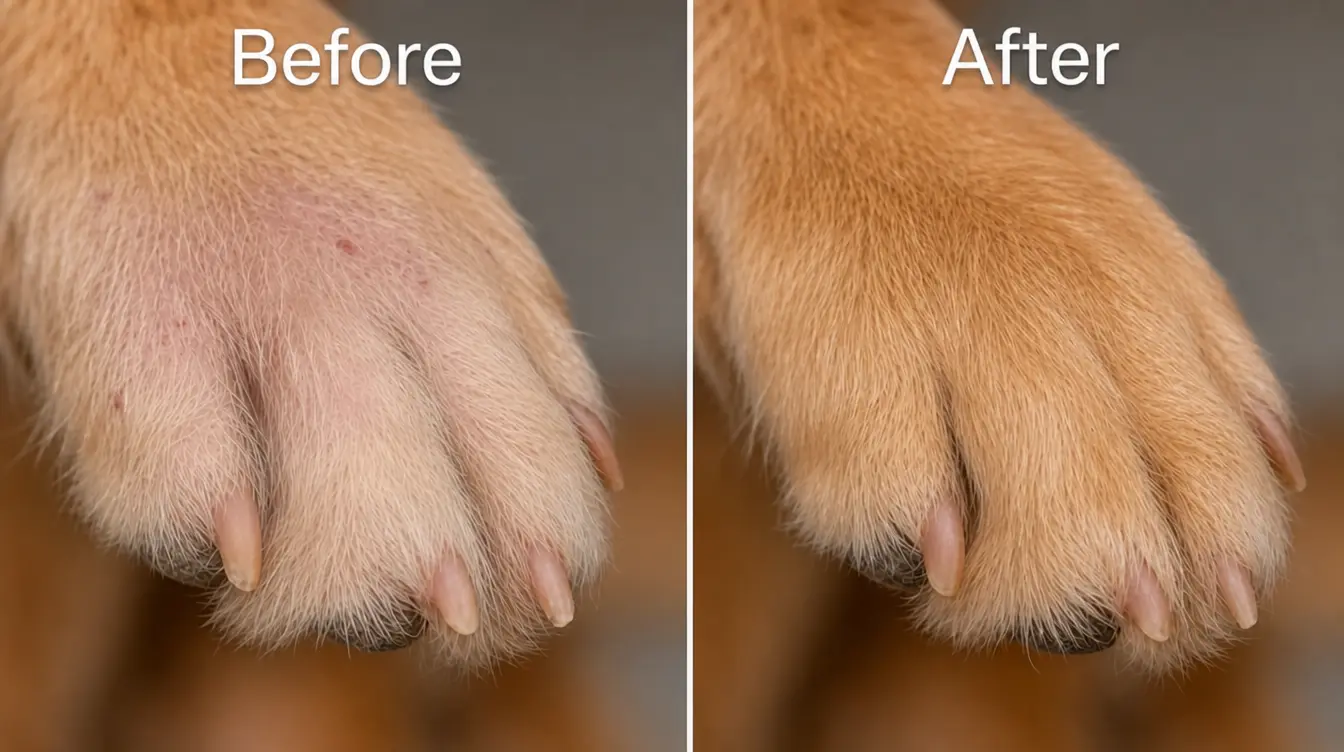
Months of nonstop licking and chewing had left Marshall's paw red, raw and irritated.
And then he handed me the one thing I knew was coming: a prescription for Apoquel.
I stared at the prescription.
I'd filled Apoquel for itchy dogs every single week for over 10 years.
I knew exactly what it was designed to do.
But after everything Marshall had been through, I had a different question:
Why did the scratching keep coming back in the first place?
Thank god I found this video.
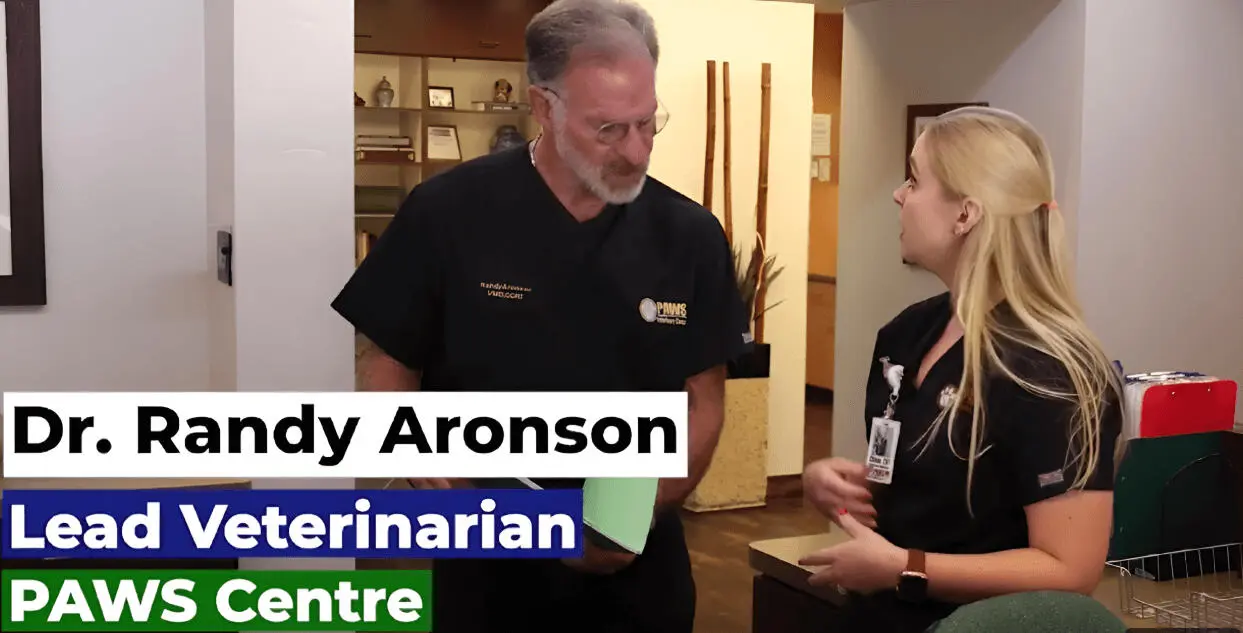
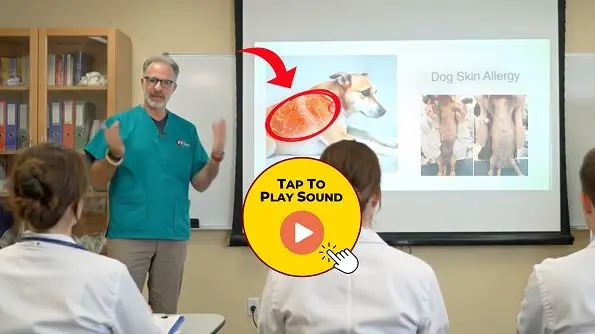
Dr. Randy Aronson explains why some dogs stay trapped in the itch-scratch cycle.
That night, I came across a short presentation from one of America's top holistic vets, Dr. Randy Aronson.
And within the first few minutes, he said something that stopped me cold:
A dog's skin isn't built like ours.
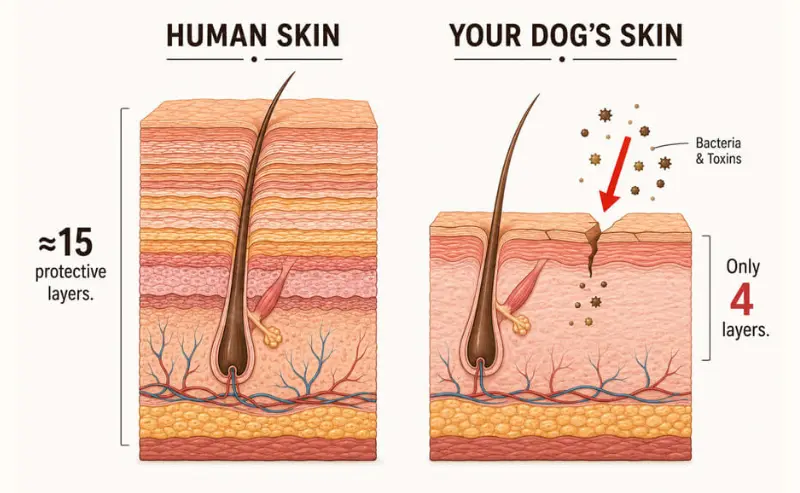
"Here's what most dog parents are never told: Dog skin is about 4X thinner than human skin. Human skin has around 15 protective layers. Dog skin has only 4."
"Every scratch tears microscopic openings in that thin shield, letting allergens and bacteria pour straight through. Meds might quiet the itch for a day… but nothing gets better until those openings are sealed."
 — Dr. Randy Aronson, DVM
I read that and froze.
As Dr. Randy explained, a dog's protective outer skin layer is much more delicate than ours.
Once that barrier becomes compromised, irritants can get through more easily — triggering more itching.
The itching was never the problem. The broken barrier is.
Every night Marshall scratched, licked and chewed, he was irritating an already-compromised barrier.
Scratch → more damage → more irritation → more scratching.
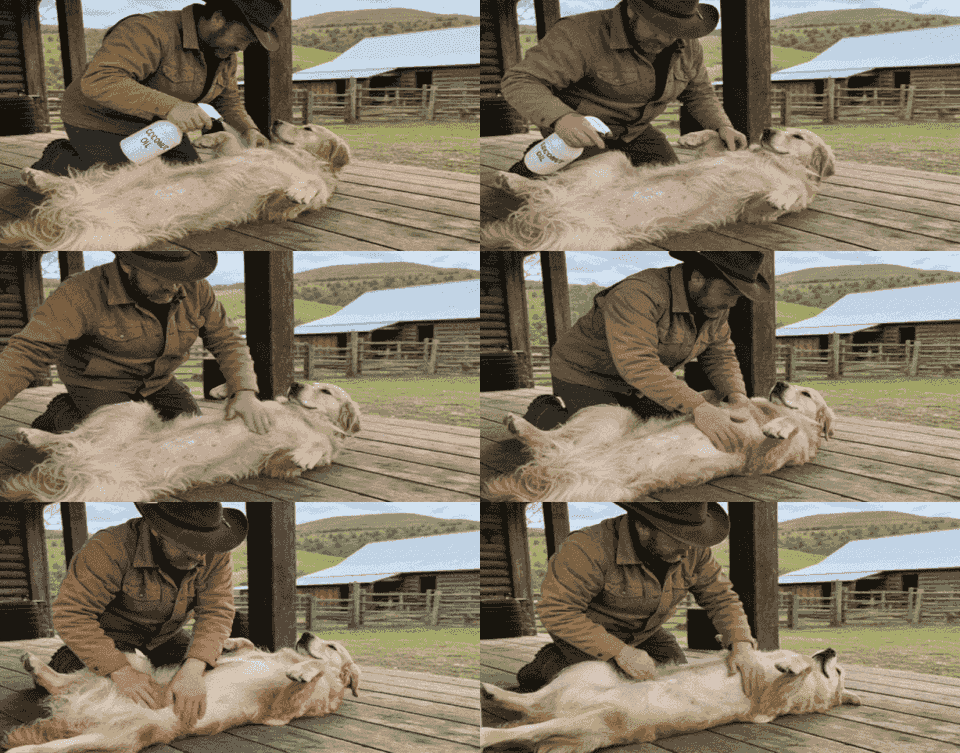
So I watched Dr. Randy's full presentation — a veterinarian with 40 years of experience — and he shares 3 things in your dog's daily routine that are quietly tearing that thin barrier open even wider…
and then reveals the natural "5-second skin sealing trick" you can do from home to seal and strengthen your dog's skin barrier against allergens, toxins, and bacteria. Without prescriptions, steroids, or medicated baths.
For the first time in my career, someone was treating the cause instead of billing for the symptom.
What Happened to Marshall?
I tested it on Marshall the way I'd evaluate any protocol — skeptically, and watching closely.
First day… I wasn't expecting an overnight miracle but the first thing I noticed was that he simply wasn't scratching as much.
Within 2 weeks his red, patchy skin cleared up completely.
A few months later, those bald patches?… all growing back thick and soft. And we finally slept through the night.
No prescription. No refills. Nothing that will wear off.
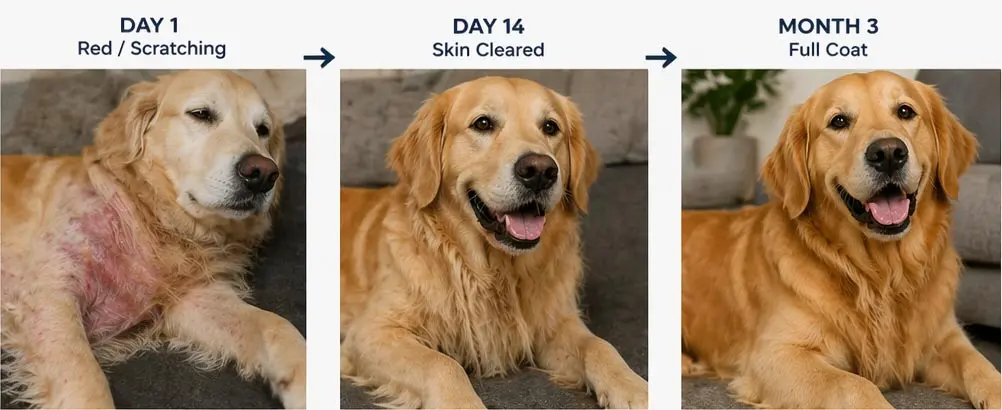
These days, when someone slides an "itch" prescription across my counter, I still fill it — that's my job. But then I tell them what I'm telling you:
If your dog is stuck in the same scratch-lick-chew cycle Marshall was, don't wait another week hoping it goes away. Watch Dr. Randy's presentation while it's still available. Then decide if you want to be on the refill treadmill for the next ten years.
I've watched the refills never end for ten years. It doesn't have to be your dog.
READER COMMENTS